Reviewing Fruit Tree for Real Embroidery Projects
When I first opened the Fruit Tree design pack, I wasn't just looking at a collection of digital files; I was already visualizing them stitched onto fabric. As someone who has spent years refining designs for client projects and my own handmade shop, I know that a pretty image on a screen does not always translate to a beautiful finished product. The transition from Illustrations to actual thread is where the magic happens, and it is also where many projects fail if the design isn't vetted properly. My goal with this review is to walk you through how Fruit Tree performs in a real-world scenario, offering practical insights for embroidery designers, small business owners, and crafters who want to ensure their next project hits the mark.
First Impressions: Mood and Visual Personality
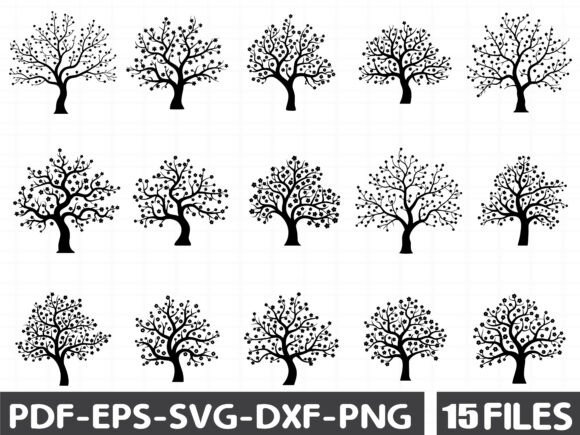
The immediate feeling when working with Fruit Tree is one of organic growth and natural beauty. Unlike rigid geometric patterns or overly complex scenes, this design pack seems to lean into the charm of nature, which makes it incredibly versatile for various themes. Whether you are creating a nursery piece, a garden-themed tote bag, or a seasonal holiday gift, the visual personality of Fruit Tree feels welcoming and grounded. It doesn't scream for attention but rather invites the viewer to appreciate the details.
For a designer, the layout is crucial. Does it feel balanced? Can it be centered effectively on a garment without looking awkward? In my initial assessment, the shapes within the Fruit Tree set appear to have a strong silhouette. This is essential because embroidery relies heavily on the negative space as much as the positive. If the design is too dense, it can look muddy; if it is too sparse, it might get lost on textured fabrics like fleece or denim. The mood here suggests a blend of rustic elegance and modern simplicity, making it a perfect candidate for boutique branding or personalized gifts that need to feel both professional and heartfelt.
Real-World Application: From Screen to Stitch
Let's imagine a specific scenario. You are an Etsy seller preparing a batch of custom embroidered sweatshirts for a local craft fair. You decide to feature Fruit Tree on the back of a heavyweight cotton hoodie. This is a common use case for commercial embroidery, but it comes with challenges. How will the machine embroidery design hold up against the thickness of the fabric? Will the stitch density cause the material to pucker?
In this context, Fruit Tree shines because its theme aligns perfectly with cozy, lifestyle-oriented apparel. When stitching a sweatshirt embroidery project, you want a design that complements the texture of the fabric rather than fighting it. The quote aspect of the Graphics allows for a narrative element, turning a simple shirt into a statement piece. For a tote bag design, the same logic applies. A canvas tote is a staple for craft fairs, and a well-executed Fruit Tree design can elevate a standard bag into a premium accessory that customers are willing to pay extra for.
I also see potential in baby items. A soft onesie or a baby blanket featuring Fruit Tree would make a lovely personalized gift. The gentle curves of the fruit and branches work well with the rounded aesthetics often preferred for nursery decor. However, this requires careful planning regarding the hoop size and the stability of the fabric. Baby clothes are often made of stretchy materials, which demands a different approach to stabilizing the embroidery file compared to a structured cap or a sturdy apron.
Navigating Challenges and Limitations
No design is perfect for every situation, and being honest about where Fruit Tree might struggle is part of responsible reviewing. There are specific areas where caution is required. For instance, if you attempt to stitch this design on a curved surface like a baseball cap, the distortion of the tree shape could alter the intended look. While caps are popular for commercial embroidery, they require designs specifically digitized for curvature to avoid thread breaks and misalignment.
Another critical factor is fabric texture. On thin or highly textured fabrics, such as linen or heavy boucle, the fine details of the running stitch or delicate satin stitch elements might get lost or cause puckering. Similarly, dark fabrics present a challenge. If the design relies on light thread colors for contrast, the underlying fabric color might bleed through, especially if the stitch density is low. In these cases, a underlay layer becomes essential, though it adds bulk to the final product.
We must also consider the longevity of the finished product. Items that require frequent washing, like kitchen towels or children's clothing, need robust stitching. If the Fruit Tree design includes tiny lettering or intricate corners, these areas are prone to wear and tear over time. Before committing to a large production run, it is wise to test the design on scrap fabric to see how the threads interact with the specific material you plan to use.
Design Assets and Professional Standards
For those selling design assets or creating printable mockups, the quality of the source files matters immensely. The availability of formats like SVG, PNG, DXF, EPS, and PDF means that Fruit Tree can be adapted for various uses, from direct machine stitching to laser cutting or printing. However, simply having the file is not enough; understanding how to manipulate it is key. When creating a digital embroidery file for sale, you must ensure that the conversion from vector to stitch data maintains the integrity of the original art.
Visual appeal directly impacts customer trust. A sloppy execution of a beautiful design like Fruit Tree can ruin the perceived value of your handmade product. Conversely, a clean, precise application builds brand consistency and professionalism. When a buyer receives a handmade product with flawless stitching, they are more likely to return and recommend your shop. This is why checking the thread colors and ensuring proper contrast is so vital. A mismatched thread can make even the best design look amateurish.
Practical Notes for the Designer
Before you load Fruit Tree into your hoop, there are several steps you should take to guarantee success. First, always test the design on a scrap piece of the same fabric you intend to use. This helps you identify any issues with tension, puckering, or thread breakage before you touch your actual project. Second, review the stitch density settings in your software. If the design is too dense for the chosen fabric, it may become stiff and uncomfortable. Adjusting this can make a significant difference in the drape and feel of the custom apparel.
Inspect small details closely. Are there any isolated stitches that might not catch? Is the applique design component (if applicable) clearly defined? Using a stabilizer appropriate for the weight of your fabric is non-negotiable. Without it, even the most stable design will shift. Additionally, compare your design in black and white mockups. Sometimes color can distract from structural flaws, and viewing the design in grayscale helps you assess the balance of the composition.
Finally, confirm the licensing terms. If you plan to sell finished items featuring Fruit Tree, you must ensure you have the commercial rights. Many digital products come with restrictions on resale, and violating these terms can lead to legal trouble. Always read the fine print regarding craft business usage. Whether you are creating a single holiday embroidery gift or mass-producing small shop products, clarity on licensing protects your investment and your reputation.
In conclusion, Fruit Tree offers a solid foundation for a wide range of embroidery projects. Its natural theme and adaptable layout make it a valuable addition to any designer's toolkit. By approaching the project with care, testing thoroughly, and respecting the limitations of the medium, you can transform this digital asset into a stunning physical reality that delights customers and elevates your brand.