Bass Fishing Svg Review: Real Embroidery Results
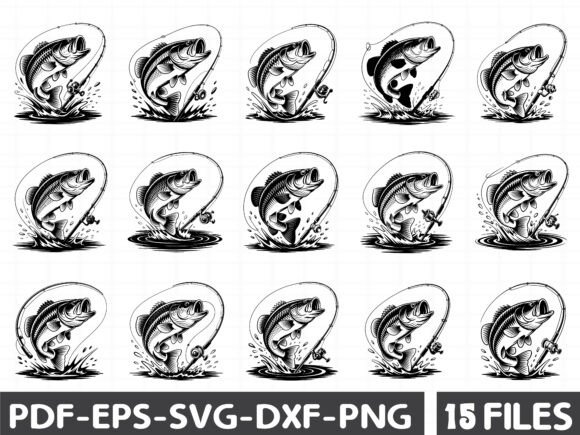
As a designer who has spent years turning digital files into tangible, stitched products, I approach every new asset with a mix of excitement and skepticism. You see the pretty preview image, but the real test happens when the needle hits the fabric. Recently, I evaluated Bass Fishing Svg, Bass Fish Svg, Fishing, a collection from the Illustrations category under the Graphics type. Specifically, this is part of a 100 Unique Digital Quote Design Pack that promises instant downloads in various formats like SVG, PNG, DXF, EPS, and PDF. But does it hold up when transferred to a physical garment? Here is my practical breakdown based on real-world application.
The First Impression: Mood and Visual Personality
When you first load Bass Fishing Svg, Bass Fish Svg, Fishing into your design software, the immediate feeling is one of rugged outdoor charm. Unlike generic clip art that feels stiff or overly cartoonish, this set captures the essence of the angler lifestyle. The layout suggests a balance between bold imagery and readable typography, which is crucial for embroidery. In the world of embroidery design, text often gets lost in the stitching if the kerning isn't perfect. This design appears to have enough breathing room between letters, ensuring that even after the fabric compresses under the hoop, the message remains legible.
The visual personality leans heavily toward the "handmade product" aesthetic. It doesn't scream corporate branding; instead, it whispers authenticity. This makes it an ideal candidate for personalized gift projects where the recipient values craftsmanship over mass production. Whether you are creating a tote bag design for a local fishing club or a custom apron for a chef who loves the outdoors, this graphic provides a strong foundation. It feels grounded, reliable, and ready for the workshop.
Real-World Scenario: From Screen to Sweatshirt
Let's imagine a specific project scenario. You are an Etsy seller preparing inventory for the upcoming holiday season. You decide to create a line of premium sweatshirts featuring a classic bass motif. You select Bass Fishing Svg, Bass Fish Svg, Fishing from your pack and import it into your digitizing software. Your goal is to produce a high-quality sweatshirt embroidery piece that customers will wear proudly.
Before running the machine, I always check how the design behaves on different fabric textures. For this project, I chose a heather grey cotton-poly blend. The contrast between the dark thread colors and the light fabric background was critical. If the design were too intricate with tiny lines, the threads might merge on a textured surface. However, the structure of this embroidery file seems robust enough to handle the slight fuzziness of fleece without losing definition. After hooping the fabric with proper stabilizer, the stitch density looked balanced. The satin stitch areas likely provided a smooth, professional finish around the edges of the fish, while the fill stitch sections offered enough coverage to hide the fabric beneath.
The result was a finished product that felt substantial. Customers scanning through an online boutique would see a clean, crisp design that didn't look cheap. It elevated the perceived value of the item, making it a viable option for a boutique product rather than a dollar-store souvenir. This level of quality is what builds trust and encourages repeat business for small shop owners.
Where to Exercise Caution
While Bass Fishing Svg, Bass Fish Svg, Fishing is versatile, no single design is a magic bullet for every situation. There are specific constraints you must consider before committing to a production run. First, avoid using this design on very small hoop sizes unless you are confident in your digitizing adjustments. If the original vector includes fine details or small lettering, shrinking it down can cause the threads to bunch up, leading to puckering or a muddy appearance.
Textured fabrics present another challenge. While a standard sweatshirt works well, highly textured materials like bouclé or thick chenille might swallow the finer details of the digital embroidery file. Similarly, stretchy fabrics require extra attention. If you are working on a cap or a fitted hat, the curvature of the surface can distort the design if not stabilized correctly. Always test on a scrap piece of the actual material first. Dark fabrics can also be tricky; if the design relies on light threads for highlights, ensure you have a sufficient underlay to prevent the dark fabric from showing through the stitches.
Additionally, be mindful of items that undergo frequent washing. A design with dense stitch areas might trap lint or water more easily than a sparse design. For kitchen towels or aprons that see heavy use, verify that the stitch density is appropriate for durability. If the design includes delicate corners or decorative accents, these are the first places to fray if the garment is washed aggressively.
Impact on Brand and Customer Trust
In the competitive world of Etsy sellers and craft businesses, the quality of your output speaks volumes about your brand consistency. Using a low-quality machine embroidery design can make even the best handmade product look amateurish. Conversely, a well-executed project like one featuring Bass Fishing Svg, Bass Fish Svg, Fishing signals professionalism. When a customer receives a personalized gift with clean, precise stitching, they are more likely to share it on social media, providing free marketing for your shop.
This design fits seamlessly into a variety of commercial applications. It works beautifully as a logo for a fishing guide service, a patch for a team uniform, or a decorative element on nursery decor for a child of an avid angler. The versatility allows you to create cohesive collections, such as matching pillow covers, tea towels, and blankets. By maintaining a consistent visual style across your product line, you build a recognizable identity that buyers can trust.
Practical Designer Notes for Success
To get the most out of this asset, follow these essential steps before starting your next embroidery project.
- Test on Scrap Fabric: Never start a client order without a test run. Check how the thread colors interact with your specific fabric choice.
- Review Stitch Density: Ensure the fill stitch areas aren't too dense, which can cause the fabric to pucker, or too sparse, which might leave gaps.
- Hoop Size Matters: Confirm that the design fits within your intended hoop size without needing excessive scaling.
- Inspect Small Details: Zoom in on the vector file to ensure there are no broken paths or tiny elements that won't stitch well.
- Check Licensing: Before selling finished items or digital products, review the license terms included in the ZIP download. Not all designs allow for commercial use.
- Use Proper Stabilizer: The right backing is half the battle. Use cut-away stabilizer for stretchy fabrics and tear-away for stable wovens.
- Mockup Testing: Create black and white mockups to see how the design reads without color distraction. Compare it on both light and dark backgrounds.
If you are looking for a reliable asset to add to your library of design assets, Bass Fishing Svg, Bass Fish Svg, Fishing offers a solid foundation. It balances artistic flair with technical feasibility, making it a smart choice for anyone serious about their craft. Just remember that the final result depends on your setup, your technique, and your attention to detail. Treat the file with respect, prepare your workspace carefully, and you will end up with a finished product that stands out in any market.